Ignite Global has proudly received the Excellence in Coach Education Award from ICF Bangkok Chapter!
We share this milestone with you and look forward to what we’ll create together as part of the Ignite community.
Ignite Global has proudly received the Excellence in Coach Education Award from ICF Bangkok Chapter!
We share this milestone with you and look forward to what we’ll create together as part of the Ignite community.
When your nervous system feels safe and open, you move through life with quiet confidence and emotional steadiness.
You trust that love is safe, communication can be repaired, and relationships can grow through honesty rather than fear. You’re comfortable with closeness but also with space, you know that connection doesn’t mean losing yourself, and independence doesn’t mean losing love.
You approach others with curiosity and empathy, and you can both give and receive support with ease. In secure states, you radiate grounded warmth, a calm, authentic presence that helps others feel safe just by being around you.
When Triggered
Even securely attached individuals experience moments of stress, disconnection, or insecurity, because being human means sometimes feeling unsafe. When this happens, your natural response is to seek clarity rather than chaos.
You might think:
“Something feels off, let’s talk about it.”
“I’m feeling anxious right now, but I know it will pass.”
“We had a misunderstanding, but we can repair this.”
Rather than collapsing into fear or avoidance, your system typically returns to balance after you express your feelings or take a moment to regulate. You can tolerate discomfort because you trust that the connection can be restored through open communication and care.
Body & Nervous System Signals
Your body mirrors your emotional balance:
Breath remains steady, even during minor conflict.
Shoulders relax naturally after resolution.
Warmth in the chest and ease in posture indicate safety and trust.
In stress, you might feel slight tightening or a heart flutter, but your system recalibrates quickly through breath, grounding, or reassurance.
In polyvagal terms, your nervous system is anchored in the ventral vagal state, flexible, adaptive, and able to move between activation and calm without losing stability.
A Compassionate Reframe: Why This Made Sense in Childhood
Your secure foundation likely formed because one or more caregivers offered consistent emotional availability, attunement, and responsiveness.When you cried, someone came. When you were scared, someone soothed. When you explored, someone celebrated your independence.
From these repeated experiences, your brain and body learned a profound truth:
Love is safe. My needs matter. I can trust others and myself.
Defining the Secure Attachment Style
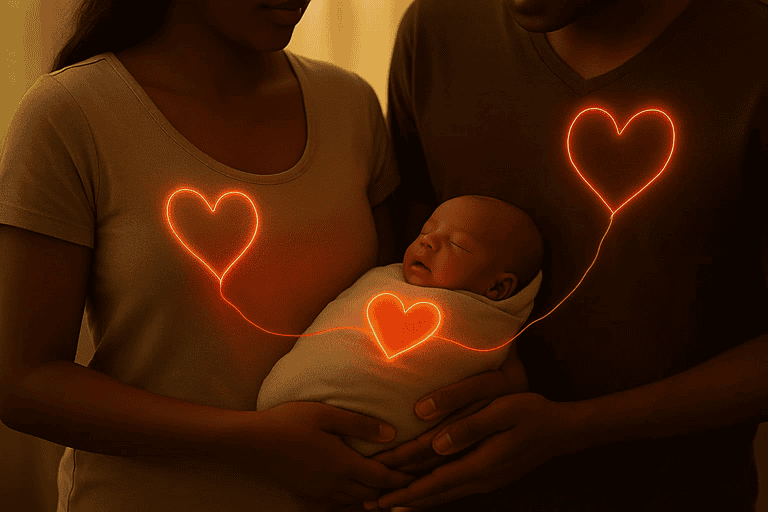
The Secure Attachment style is grounded in a balanced sense of trust, emotional safety, and self-worth. People with this style are comfortable with both closeness and independence; they can rely on others without fear of losing themselves and offer support without feeling overwhelmed. Relationships tend to feel like a haven rather than a battlefield or a puzzle to solve.
Those with a secure attachment developed early experiences where their caregivers were consistently responsive, emotionally available, and attuned to their needs. Over time, this built an internal sense of “I am lovable, and others can be trusted.”
Duality of desire and fear: You crave intimacy but simultaneously fear being engulfed, rejected, or betrayed.
Emotional intensity: Your emotions run deep, love feels passionate, but so can anxiety, shame, or fear.
Ambivalence in relationships: You may send mixed signals, reaching out for closeness and then retreating when it’s offered.
Deep mistrust: You often want to trust others but struggle to believe they won’t hurt or leave you.
Self-protection through distance: Pulling back emotionally or physically can feel like the safest option when vulnerability becomes too much.
Open communication: You express needs and feelings directly, and you listen with empathy when others do the same.
Comfort with closeness and space: You enjoy intimacy but also respect boundaries — your own and others’.
Resilience in conflict: You can repair and recover after disagreements without fearing abandonment or withdrawal.
Consistency and reliability: You show up emotionally and physically for the people you care about.
Emotional intelligence: You are attuned to both your emotions and others’ without being consumed by them.
Secure presence: Your stability helps others feel safe, grounded, and accepted as they are.
Healthy boundaries: You can connect deeply without losing your individuality.
Empathic leadership: You naturally foster environments of trust and collaboration in personal and professional relationships.
Empathy fatigue: Your calm and grounded nature can draw others to rely on you too much, which may lead to emotional exhaustion if boundaries aren’t maintained.
Difficulty relating to chaos: When others have highly insecure attachment patterns, you may feel frustrated or unsure how to navigate their emotional intensity.
Over-assuming responsibility: Sometimes you might feel compelled to “hold” the emotional space for others, even when it’s not yours to carry.
In short,The Secure Attachment style is like having an inner anchor, steady, flexible, and compassionate. You can stand on your own and also lean on others. Your relationships tend to feel safe, nurturing, and reciprocal, allowing both people to grow. The secure style isn’t about perfection; it’s about emotional availability, trust, and the courage to love and be loved without fear.
Read the Our Blog Connections to to Learn More About the Program
Option 2: All-inclusive Program Completion with Practicum and Case Studies
→ Practicum and Case Studies Conducted through an immersive 5-day 7-night Psychedelic Retreat in the Netherlands (includes 2 nights of complimentary accommodation) → Four Individual Preparation Sessions with Fernando (90 minutes each) → Three Group Preparation Sessions (120 minutes each) → Two Individual Psilocybin Ceremonies during the Retreat → Two Group Psilocybin Ceremony during the Retreat → Breakfast, Lunch & Dinner – Gourmet Meals → Sacred Plant Medicine and Other Therapeutic Necessities Included → Four Individual Integration Sessions with Fernando (90 minutes each) → Three Group Integration Sessions (120 minutes each) → Premium grade private accommodation (private villa in nature setting)